Access Routes That Handle Daily Use
Driveway Repair in Quad Cities for settled aprons, cracked sections, and uneven slabs that create vehicle clearance problems
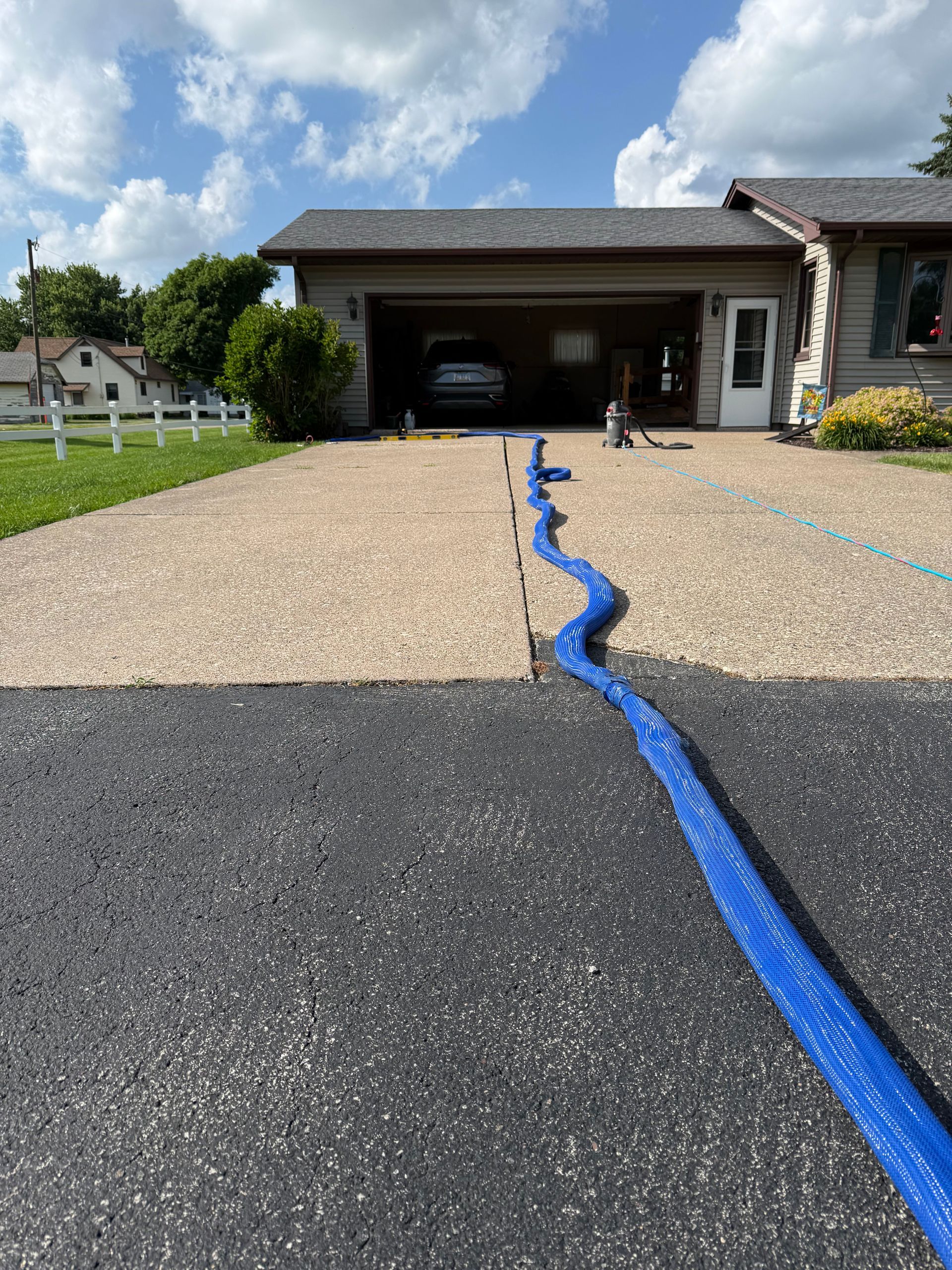
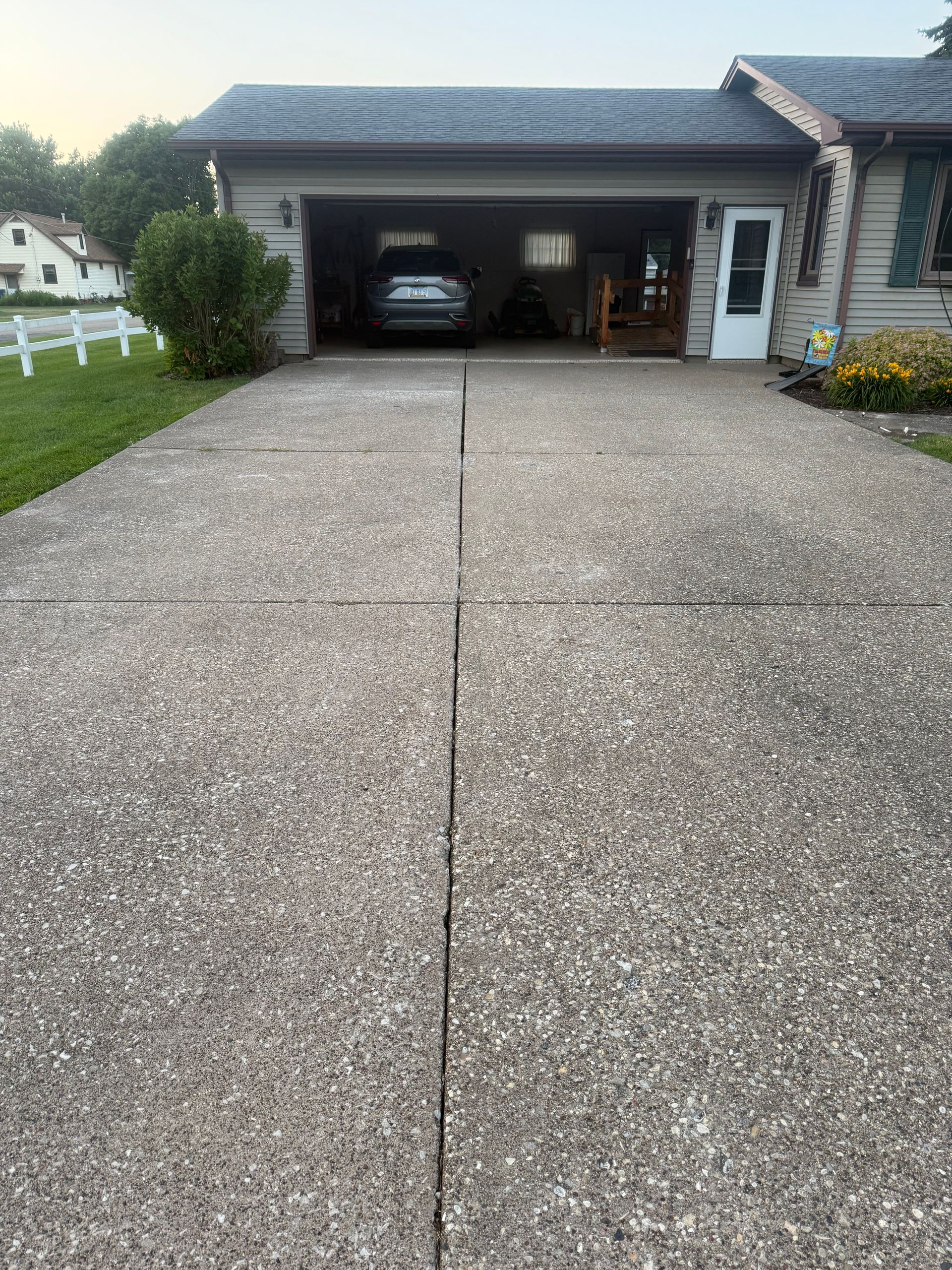
Driveways settle when soil beneath the slab compresses unevenly or washes away, leaving voids that allow the concrete to drop below its original position. This settlement often occurs where the driveway meets the garage, creating a lip that scrapes low-clearance vehicles, or at expansion joints where one section has dropped relative to the adjacent panel. Jacked Concrete Lifting corrects these problems by raising settled sections back to level alignment and stabilizing the base to prevent recurrence. The repair process restores smooth vehicle access and eliminates the visual and functional problems caused by uneven driveway surfaces.
Repair work involves lifting settled sections through polyurethane or similar material injection, sealing cracks that allow water to erode the base layer, and addressing drainage issues that contributed to the original settlement. The approach depends on whether settlement is localized to one area or affects multiple sections, how much the concrete has dropped, and whether cracking has compromised the structural integrity of individual slabs. Most residential driveways develop settlement near the apron where garage door thresholds make even small height differences noticeable, or along edges where poor drainage channels water beneath the slab.
Request a free estimate to evaluate your driveway's settlement pattern and determine which repair methods restore proper alignment and function.
The Difference Between Repair and Replacement
Effective driveway repair requires identifying whether damage is isolated to specific sections or reflects broader problems with the entire base or drainage system. Poly foam jacking works when the concrete itself remains structurally sound but has simply dropped due to soil settlement beneath it. Crack sealing prevents water intrusion that would worsen settlement by washing away additional base material during rainfall or snowmelt. If multiple sections have settled at different rates or the concrete has cracked extensively, repairs may need to address several problems simultaneously to restore acceptable performance.
After repair, vehicles transition smoothly from the street to the garage without scraping undercarriages or hearing the thud caused by dropping across a height differential. Water drains away from the garage door instead of pooling in the low spot created by settlement, reducing ice formation during winter and water infiltration beneath the slab. The driveway appearance improves noticeably as settled sections no longer create visible height differences or cast shadows that make the surface look broken or neglected.
Repair extends the service life of existing concrete at a fraction of replacement cost—typically 50 to 70 percent less—and completes in hours rather than days. The work causes minimal disruption since there is no demolition, no heavy equipment tearing out old concrete, and no waiting for new concrete to cure before the driveway can be used. Repair makes sense when settlement is the primary problem and the concrete itself has not deteriorated to the point where its structural capacity is compromised across large areas.
Common Questions About This Service
Homeowners facing driveway settlement typically want to understand what repair can accomplish, how long it lasts, and when replacement becomes the better option.
How much settlement can be corrected through lifting and repair?
Most driveways can be raised several inches if needed, though the practical limit depends on whether the concrete remains intact and whether the surrounding grade allows the slab to return to its original height.
What causes driveways to settle more near the garage than at the street?
The soil near garage foundations is often less compacted than the base at the street, and downspouts or poor grading may direct water beneath the apron where it washes away supporting material over time.
Can repair fix cracks and settlement at the same time?
Yes, lifting addresses the settlement while crack sealing prevents water from continuing to erode the base—both are often needed to fully correct driveway problems and prevent recurrence.
How soon can the driveway be used after repair?
Vehicle traffic can resume within one hour after lifting is complete, once the stabilizing material has hardened beneath the slab to support the load.
Why does driveway repair cost less than replacement?
Repair eliminates demolition, hauling, new concrete material, forming, and the extended curing time required before new concrete reaches full strength—labor and material costs are dramatically lower for repair when the existing concrete is still structurally sound.
Jacked Concrete Lifting repairs driveways where settlement, cracking, or uneven sections have created clearance problems, drainage issues, or curb appeal concerns. Schedule a property evaluation to assess your driveway's condition and review long-lasting stabilization options.