Settled Surfaces That No Longer Shift
Concrete Lifting in Quad Cities for sunken driveways, sidewalks, and patios that create trip hazards
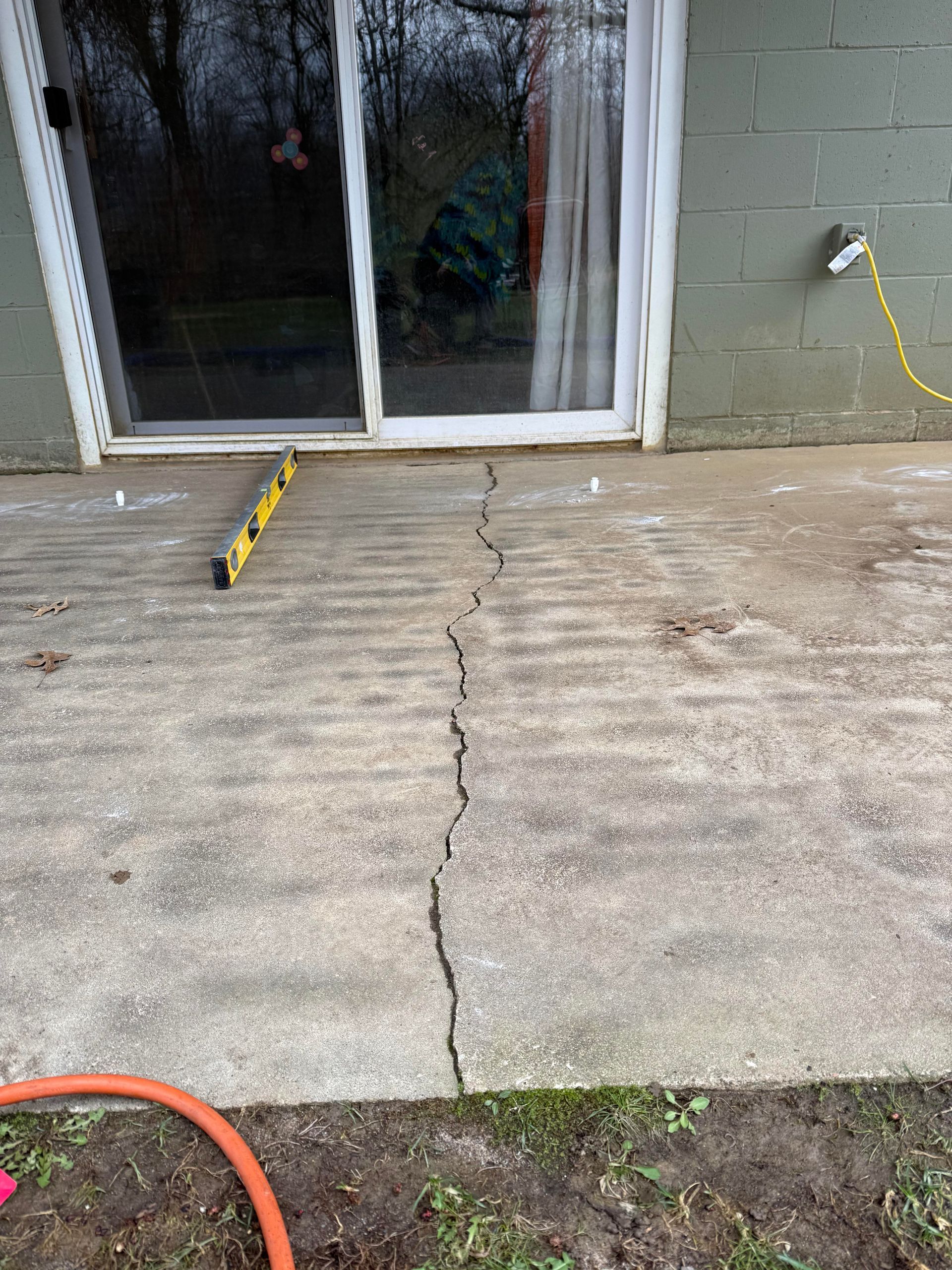
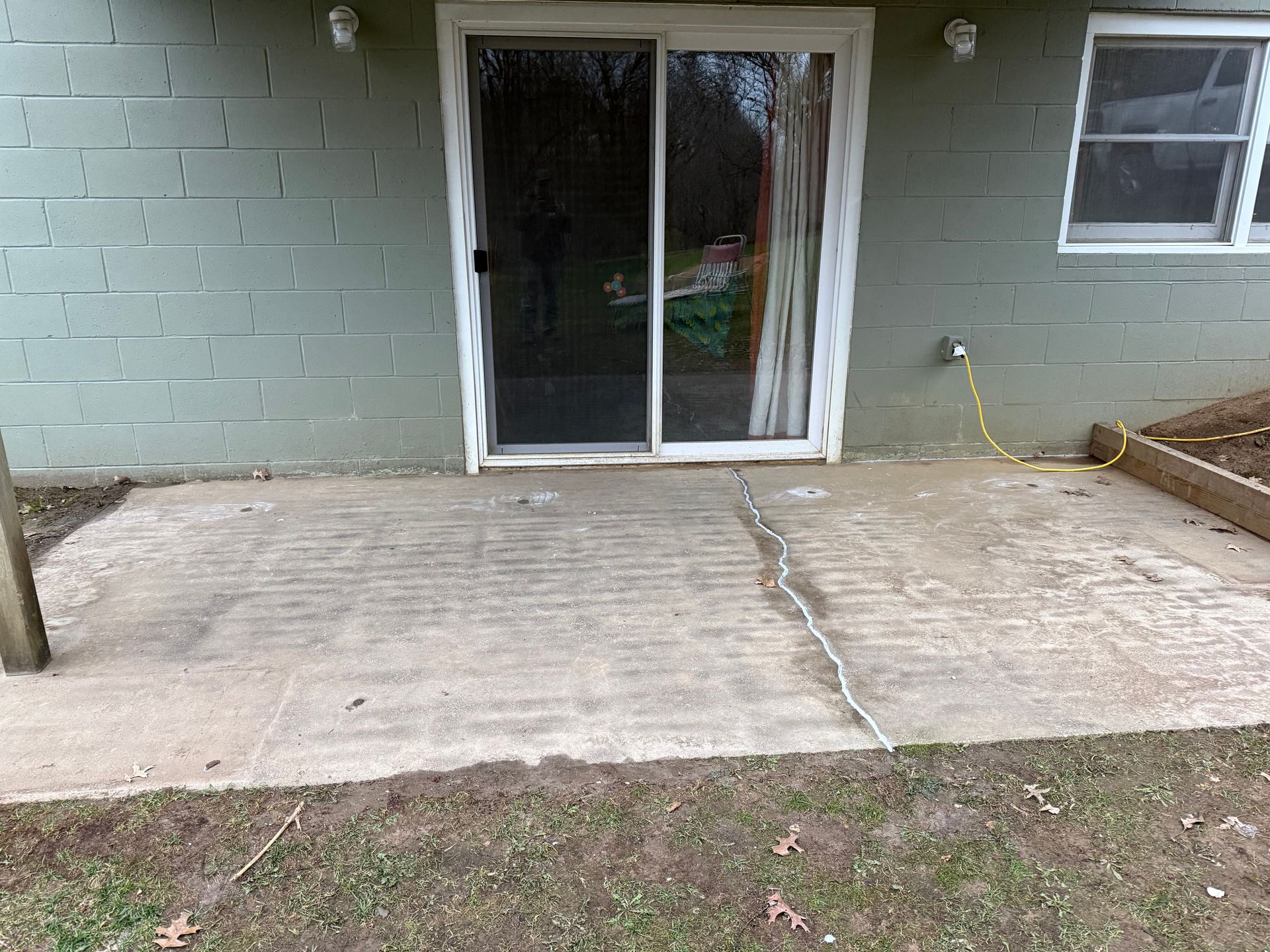
Jacked Concrete Lifting restores settled concrete slabs by injecting material beneath the surface to raise and stabilize sections that have sunk below their original position. When soil beneath a driveway or walkway compresses or washes away, the concrete drops and creates uneven edges where slabs meet. This process returns those surfaces to level alignment without removing and replacing the entire structure.
The lifting procedure involves drilling small access points through the slab, pumping stabilizing material into the void below, and monitoring the surface as it rises back into position. Once the slab reaches the correct height, the material hardens to support the weight above and prevent future settlement. Properties with driveways that slope toward garage doors, sidewalks with raised edges, or patios that direct water toward foundations typically require this correction.
Schedule a property evaluation to determine which sections require lifting and what stabilization approach fits the settlement pattern.
What Proper Lifting Requires
Correct lifting depends on identifying why the slab settled in the first place—whether from soil erosion beneath one edge, uniform compression across the entire section, or voids created by washout during heavy rainfall. The injection points for poly foam jacking are positioned based on where support is missing, and the expanding foam is injected in controlled amounts to avoid over-lifting or cracking the existing concrete. Residential projects typically involve driveways, walkways, and pool decks, while commercial work addresses loading docks, warehouse floors, and exterior slabs that bear equipment weight.
After the lifting is finished, you'll notice that adjoining slabs now meet at the same height, eliminating the lip that caused tripping or snow shovel catches. Water no longer pools in the low spot where the slab had settled, and vehicle access returns to the smooth transition it had when the concrete was originally poured. Because poly foam jacking cures quickly, the surface is typically ready for foot and vehicle traffic within hours, rather than the days required for replacement concrete to cure.
Poly foam jacking does not repair cracks that existed before settlement, though it may prevent new cracks from forming due to uneven stress. If the slab itself is deteriorated or broken into multiple pieces, lifting alone may not restore structural integrity. Soil conditions beneath the slab determine how much foam is needed and whether additional drainage work should accompany the repair to help prevent future settling in the same location.
Questions Before Starting Your Project
Property owners in the Quad Cities region often ask about the lifting process before scheduling work, especially when comparing it to full replacement or wondering how long results will hold.
How long does the lifting process take for a typical driveway?
Most residential driveways are lifted and stabilized within two to four hours, depending on the number of settled sections and the extent of soil voids beneath the surface.
What prevents the concrete from settling again after it's lifted?
Poly foam jacking fills voids beneath the slab and helps stabilize loose soil, creating a strong, supportive base that resists future settlement. While no repair can prevent changes in soil conditions, maintaining proper drainage around the area helps maximize the long-term performance of the repair.
Can lifting fix cracks in the concrete at the same time?
Lifting addresses settlement but does not repair existing cracks—those require separate sealing or patching if they allow water intrusion or worsen over time.
Why does concrete settle more in certain areas than others?
Soil composition varies across the Quad Cities, with some properties experiencing faster washout during freeze-thaw cycles or erosion from downspout runoff that channels water beneath slab edges.
What's the cost difference between lifting and replacing a settled section?
Lifting typically costs 50 to 70 percent less than removal and replacement because it eliminates demolition, hauling, forming, and the extended curing time required for new concrete.
Jacked Concrete Lifting addresses settled slabs across residential and commercial properties where trip hazards, drainage problems, or structural concerns have developed. Request a detailed estimate based on your current slab condition and settlement pattern.